
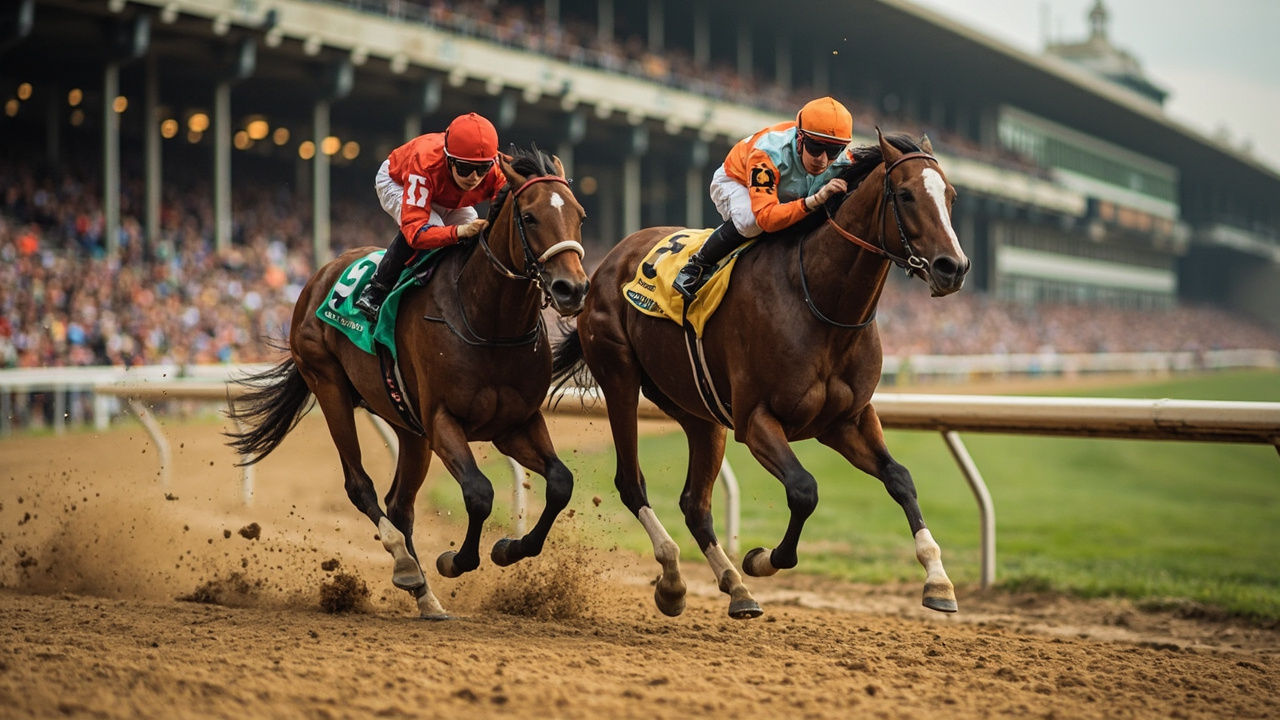
Walking the quieter stretches of the Darwin waterfront on a humid arvo, you can feel the whole country leaning toward Flemington. A quinella is the simplest way to back two horses to finish first and second in either order, and melbourne cup betting quinella appeals because it turns a crowded field into a tidy double. This piece walks through how the market actually settles, how to read the tote and fixed-odds screens, and where a player should draw the line before placing a ticket.
Reading the market on the day
The quinella pool opens early and stays open until the runners move off, which means the prices you see on a Tuesday morning are only a sketch. Bookmakers publish early markets to gauge money, then trim or drift as the barrier draw and late scratches reshape the field. In my two decades building comparison products across regulated European markets, I have seen the same behaviour everywhere: early prices are a conversation, not a verdict, and the real signal arrives once the betting ring and the tote start matching each other. That is why a player should treat the first printed quinella price as a reference point, not a target.
Fixed-odds bookmakers lock a quinella price the moment you accept it, which removes tote volatility but also removes the chance of a late dividend lift. The tote, by contrast, pools all quinella money and pays out from that pool after the track take, so a late surge of money on a longshot can drag the dividend below the early print. The practical difference matters more than the marketing: if you want certainty, fixed odds suit a small, well-defined ticket; if you want the market to decide the value, the tote suits a broader selection. Either way, the price you see before the barriers is only a snapshot, and the dividend you collect is whatever the pool says at the post.
Handicapping angles that actually move a quinella ticket
A quinella is a pair bet, so the two horses you choose need to complement each other rather than mirror the same weakness. A front-running favourite and a closer with a clear run often work better together than two horses that rely on the same tempo, because the first two finishers rarely share the exact same race shape. Barrier position, jockey booking, and the distance to the first turn all matter more in a big field than they do in a sprint, and a player who ignores the draw is usually paying for a guess dressed up as a read.
Weight and form are the starting point, not the finish. A horse carrying top weight that has been winning at this distance on soft ground is doing real work, but a quinella ticket still needs a second leg that covers the scenario where the favourite gets blocked or checked. I have learned from regulated Serbian comparison work that players overvalue a single metric and then wonder why the ticket fails; the fix is to build a pair that survives a different race shape, not to chase a single name. That mindset keeps a quinella ticket grounded in the race as it is likely to run, rather than in the horse as it looked on a form guide.
What this means for Australians
For local readers, the main takeaway is that a quinella is a pool product first and a horse product second, so the value you get depends on the field and the money in the ring, not on the name on the jersey. Australians already understand the tote from local meetings, but the Cup’s size changes the maths: a crowded field and heavy public money can push a dividend away from the early print in either direction. The practical move is to decide early whether you want fixed odds or the tote, then build a pair that covers a different race shape, because that single choice does more to steady a ticket than chasing a favourite after the barriers.
A quick word on fits and limits
A quinella ticket suits a player who wants a defined stake on a single race rather than a day-long accumulator, because the bet closes at the post and the result is decided in a few minutes. It is less suited to someone chasing a big return from a tiny outlay, because the dividend is capped by the pool and the track take, and no amount of clever pairing removes that ceiling. A moderate ticket with a clear reason for each horse is usually the most honest way to use the market, and it keeps the bet aligned with the race rather than with the thrill of a big number.
For punters who still want the immediacy of a fixed bet but crave the possibility of a larger payout, digital slot platforms now offer that exact combination of quick rounds and uncapped potential. You can test that balance yourself by visiting the starlight princess magical reels at https://starlight-princess-au.com/enaus/ to see how modern wagering formats handle both stake definition and prize scaling.
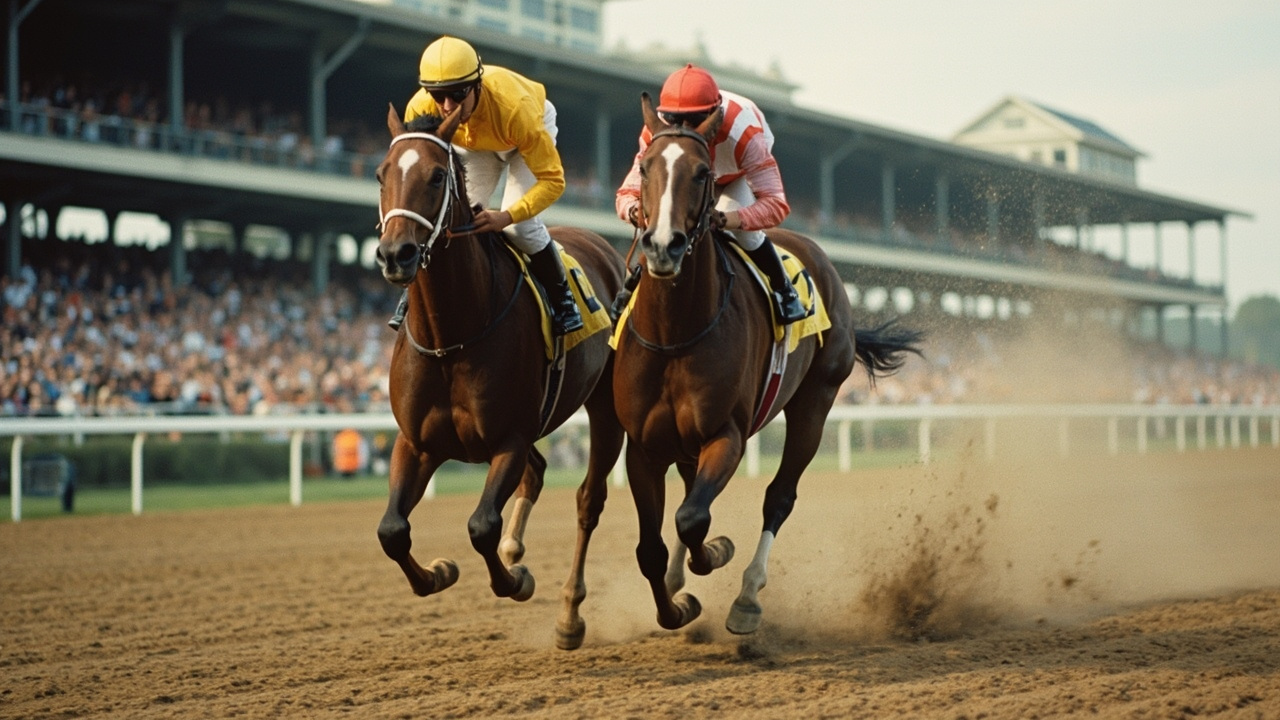
If you want to compare how a regulated online lobby presents race-day markets and slot content side by side, you can browse the game mix at starlight princess magical reels, where the lobby search and provider tags make it easier to see what is actually on offer before you commit. The same discipline applies to a quinella ticket: look at the full field, read the market as it moves, and place the bet because the pair makes sense, not because the dividend looks generous on the screen. Andrew King, Head of Operator Partnerships, Capital Territory Gaming Forum, notes that players who compare the tote dividend against the fixed-odds price before the race tend to understand their own risk better, while Adam Walker, Head of Analytics, Koala Digital Group, cautions that late money in a big field can move a quinella dividend sharply in the final minutes. The Melbourne Cup rewards a clear read more than a loud one, and a quinella ticket is just the format that turns that read into a single, tidy bet. Etrade